


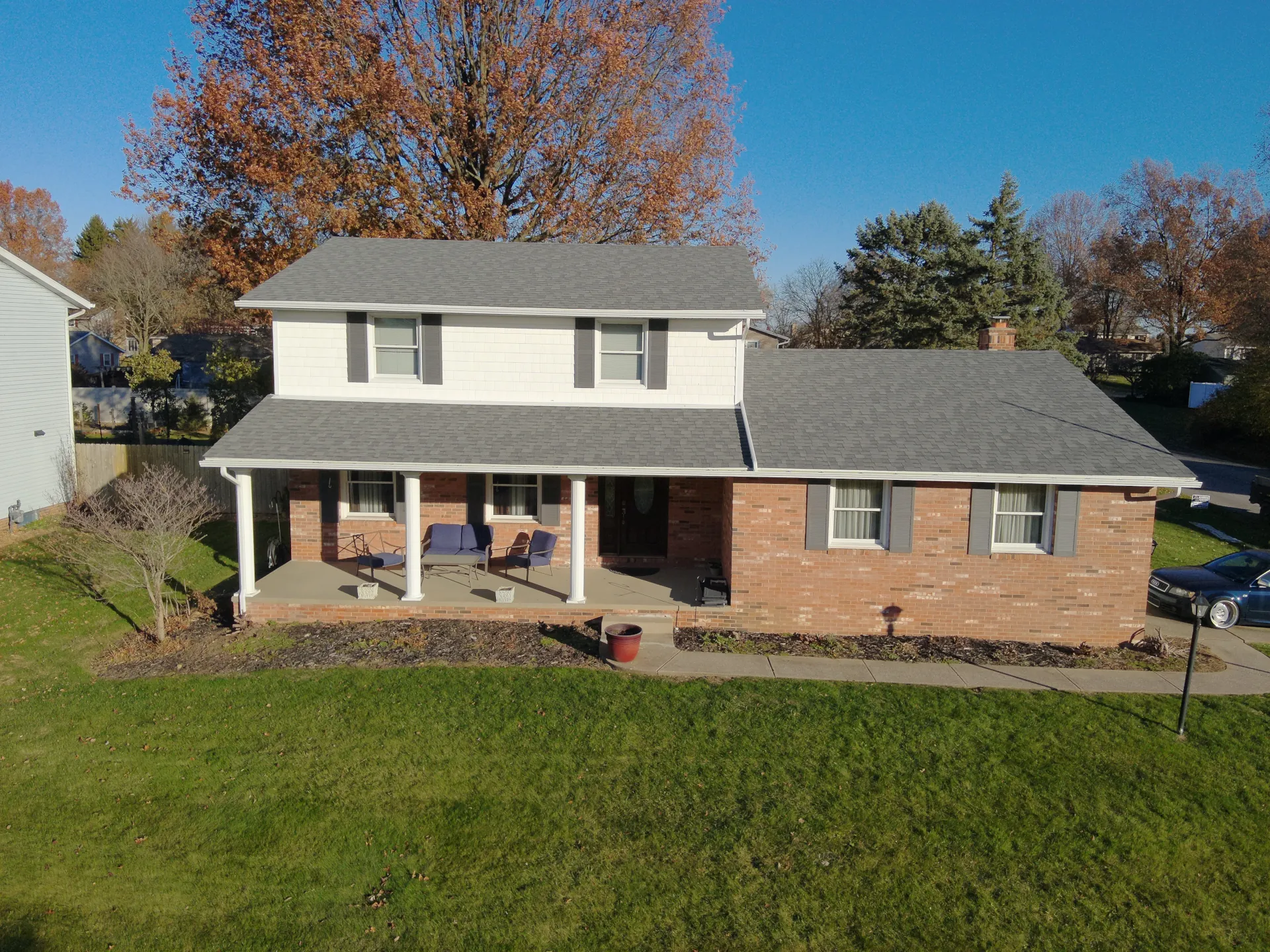
Choosing the right roofing material is one of the most important decisions a homeowner can make. Your roof protects your home from the elements, affects energy efficiency, and plays a major role in curb appeal. When researching shingle roofing, many homeowners quickly discover there’s more than one type of asphalt shingle available. That often leads to a common question: What’s the difference between standard asphalt shingles and architectural shingles?
Understanding how these two options compare in cost, durability, appearance, and performance can help you make a confident decision that fits both your home and your long-term plans.
Asphalt shingles are the most widely used roof shingles in residential construction. They’re known for affordability, ease of installation, and reliable performance. Traditional asphalt shingles, often referred to as three-tab shingles, are made with a fiberglass base mat, asphalt coating, and protective granules on top.
These shingles are designed to lie flat and uniform, creating a clean and consistent look across the roof. Because they’re lightweight and simple to install, asphalt shingles are commonly used on new builds and roof replacements where budget is a key factor.
Standard asphalt shingles typically have a shorter lifespan than higher-end options. They’re also more susceptible to wind damage and may show wear sooner in areas with harsh weather conditions. While they perform well, they don’t offer as much dimensional depth or visual interest as architectural shingles.
Architectural shingles, sometimes called dimensional or laminated shingles, are an upgraded version of traditional asphalt shingles. They’re made by bonding multiple layers of asphalt material together, creating a thicker, heavier shingle with a more textured appearance.
Instead of lying flat, architectural shingles create shadow lines and depth that mimic the look of wood shake or slate roofing. This added dimension is one of the reasons they’ve become increasingly popular in residential shingle roofing projects.
The primary downside of architectural shingles is cost. They require a higher upfront investment than basic asphalt shingles. Installation may also take slightly longer due to their weight and design, though this difference is usually minimal with an experienced roofing crew.
Cost is often the deciding factor when choosing between roofing materials. Asphalt shingles remain the more budget-friendly option, making them appealing for homeowners focused on immediate affordability.
Architectural shingles cost more per square foot, but the difference often balances out over time. Their longer lifespan and improved durability can reduce the need for repairs or early replacement, making them a strong long-term investment.
When evaluating cost, it’s important to look beyond the initial price tag and consider how long the roof shingles are expected to last.
One of the biggest differences between these two types of shingle roofing is longevity. Standard asphalt shingles typically last 20 to 25 years under normal conditions. Architectural shingles often last 30 years or more, depending on product quality and installation.
Architectural shingles are also heavier, which helps them withstand higher wind speeds and resist lifting or blow-offs during storms. In regions that experience strong winds, heavy rain, or snow, this added durability can make a noticeable difference.
If aesthetics matter to you, architectural shingles usually stand out. Their layered design adds depth and texture that standard asphalt shingles can’t replicate. Many homeowners choose architectural shingles specifically to enhance curb appeal and give their home a more upscale appearance.
Traditional asphalt shingles still provide a clean, classic look, but they tend to appear flatter and more uniform. For homeowners planning to sell in the future, architectural shingles may offer an advantage by boosting perceived value.
Both types of roof shingles are relatively straightforward to install when handled by experienced professionals. Proper installation is critical regardless of which option you choose. Poor installation can shorten lifespan, reduce performance, and void manufacturer warranties.
Maintenance requirements for both types are similar. Regular inspections, prompt repairs, and keeping debris off the roof help extend the life of any shingle roofing system. Architectural shingles may require fewer repairs over time due to their thicker construction.
Choosing between asphalt shingles and architectural shingles comes down to your priorities.
Asphalt shingles may be the right choice if:
Architectural shingles may be the better option if:
A professional roofing evaluation can help determine which option makes the most sense based on your home’s structure, roof pitch, and local weather conditions.
Both asphalt shingles and architectural shingles offer dependable protection when installed correctly. The key difference lies in longevity, durability, and appearance. Standard asphalt shingles provide affordability and proven performance, while architectural shingles deliver enhanced strength and visual appeal.
Understanding these differences helps you choose the shingle roofing option that aligns with your goals, budget, and long-term plans. If you’re unsure which roof shingles are right for your home, consulting a roofing professional can give you clarity and confidence before making a decision.