


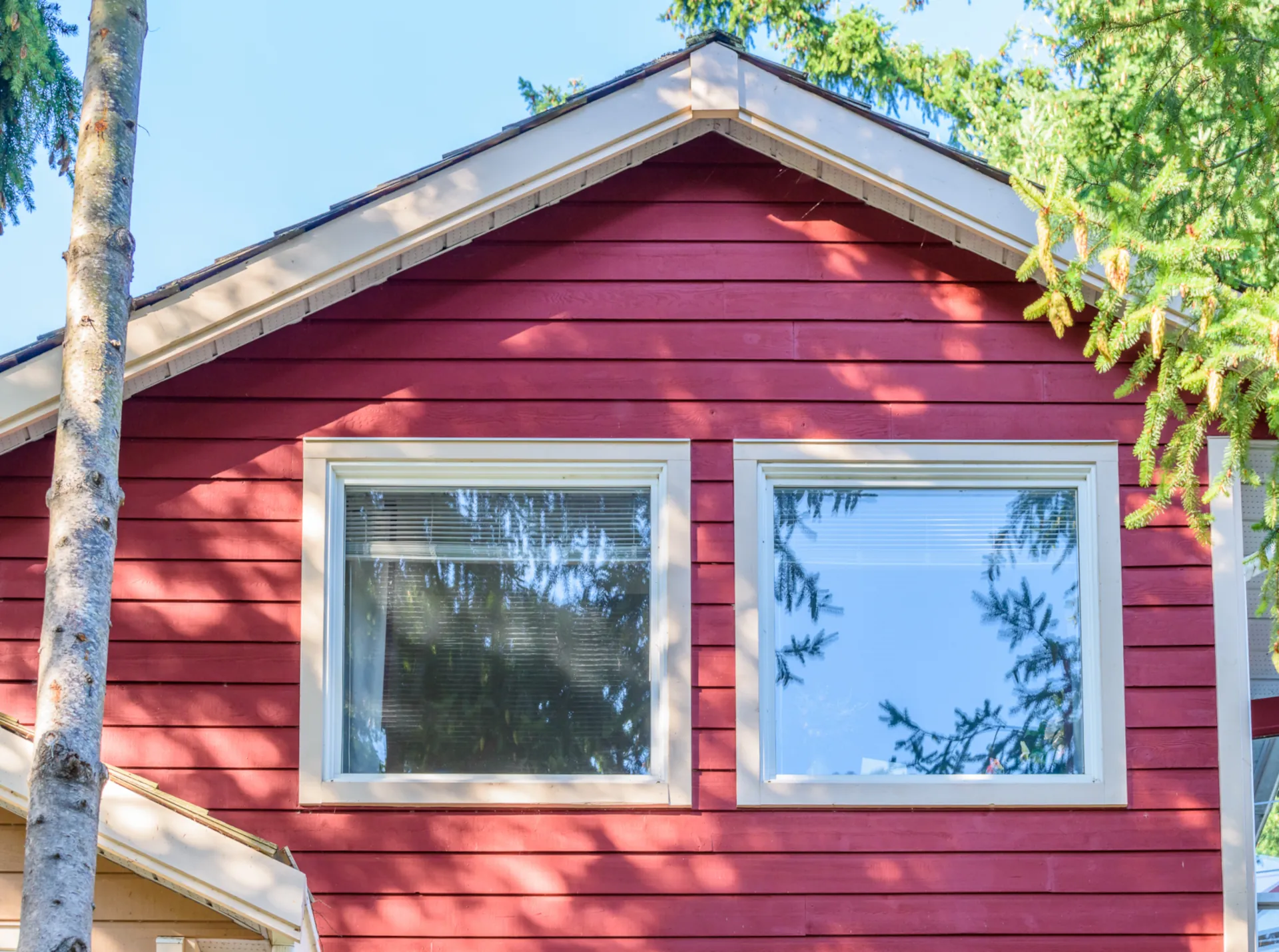
Vinyl siding is designed to last for decades, but even durable materials eventually show their age. Fading colors, outdated styles, or surface wear often lead homeowners to the same question: Should you paint your vinyl siding or replace it altogether?
Painting vinyl siding can seem like a quick, affordable fix, especially for homeowners looking to refresh their exterior without committing to a major renovation. Replacement, on the other hand, comes with a higher upfront cost but delivers long-term performance and value. Comparing cost, time, quality, and lifespan helps clarify which option makes the most sense for your home.
Cost is usually the first factor homeowners consider. DIY painting vinyl siding typically appears far less expensive at the start. Paint, cleaning supplies, sprayers, and ladders may cost a few hundred to a couple of thousand dollars, depending on home size and product quality.
Siding replacement carries a higher upfront investment. New vinyl siding includes materials, labor, disposal of old siding, and often insulation upgrades. Costs vary widely based on home size and product selection, but replacement generally represents a larger financial commitment. Read our blog on Vinyl Siding Cost in Ohio.
The long-term cost picture tells a different story. Painted siding usually requires repainting every five to ten years, depending on sun exposure and prep quality. Replacement siding often lasts 20 to 40 years or longer with minimal maintenance. Over time, repeated painting can narrow the cost gap significantly.
DIY painting demands a considerable time commitment. Cleaning the siding thoroughly, masking trim, priming when needed, and applying multiple coats can take weeks for an average home. Weather delays are common, especially in Ohio, where temperature and moisture conditions fluctuate.
Replacement siding projects move faster once scheduled. Professional crews typically complete installation in several days to a week, depending on complexity. Homeowners avoid extended disruption and the need to coordinate ongoing work themselves.
Time also includes future maintenance. Painted siding adds recurring upkeep, while new siding minimizes future labor demands.
Paint does not change the underlying condition of vinyl siding. Existing cracks, brittleness, or insulation issues remain. Paint also limits vinyl’s ability to expand and contract naturally, which can increase the risk of warping or peeling if improper products or colors are used.
Replacement siding addresses structural and performance issues directly. New materials improve moisture protection, airflow, and insulation. Modern siding products resist fading, cracking, and impact damage far better than older generations.
Quality of appearance differs as well. Painted siding can look refreshed initially, but often shows wear sooner, especially around seams and high-exposure areas. Replacement delivers a uniform, factory-finished look designed to last.
Older vinyl siding often lacks proper insulation. Painting does nothing to improve energy performance, even though the home may look newer.
Replacement allows homeowners to upgrade to insulated vinyl siding, which improves thermal efficiency and reduces drafts. Improved insulation can lower heating and cooling costs and increase indoor comfort, benefits that painting cannot provide.
Energy efficiency becomes especially important in climates that experience both hot summers and cold winters.
DIY painting carries inherent risks. Improper cleaning, incorrect paint selection, or painting during unsuitable temperatures can lead to premature failure. Once paint begins to peel or bubble, correcting the issue often requires stripping and repainting.
Replacement siding carries far less risk when installed correctly. Professional installation ensures proper spacing, moisture control, and fastening. New siding also includes manufacturer warranties that painted siding does not.
Homeowners frequently underestimate how long vinyl siding should last. Quality vinyl siding installed properly often performs well for decades. Painting may extend visual appeal temporarily, but it does not reset the siding’s lifespan.
Painting vinyl siding may be reasonable if the siding is structurally sound, relatively young, and the homeowner wants a short- to medium-term cosmetic update. Homes being prepared for sale sometimes fall into this category.
Painting can also work when budgets are limited, and replacement is not immediately feasible. Even then, expectations should remain realistic about lifespan and maintenance.
Replacement is usually the better option when siding is older, brittle, warped, or showing moisture-related issues. Homes with rising energy bills or outdated exterior styles also benefit more from replacement than repainting.
Vinyl siding contractors that Ohio homeowners rely on can evaluate siding condition and provide guidance based on long-term value rather than short-term appearance alone.
Painting vinyl siding and replacing siding serve very different goals. Painting prioritizes short-term cost savings and visual refresh. Replacement focuses on durability, performance, and long-term value.
Homeowners weighing this decision should look beyond initial price and consider lifespan, maintenance, energy efficiency, and risk. For many homes, replacement offers a better return over time, even though it requires a higher upfront investment.
Consulting experienced contractors like at Kidron Custom Exteriors ensures you understand your options fully and choose the solution that protects your home for years to come. Contact us today!