


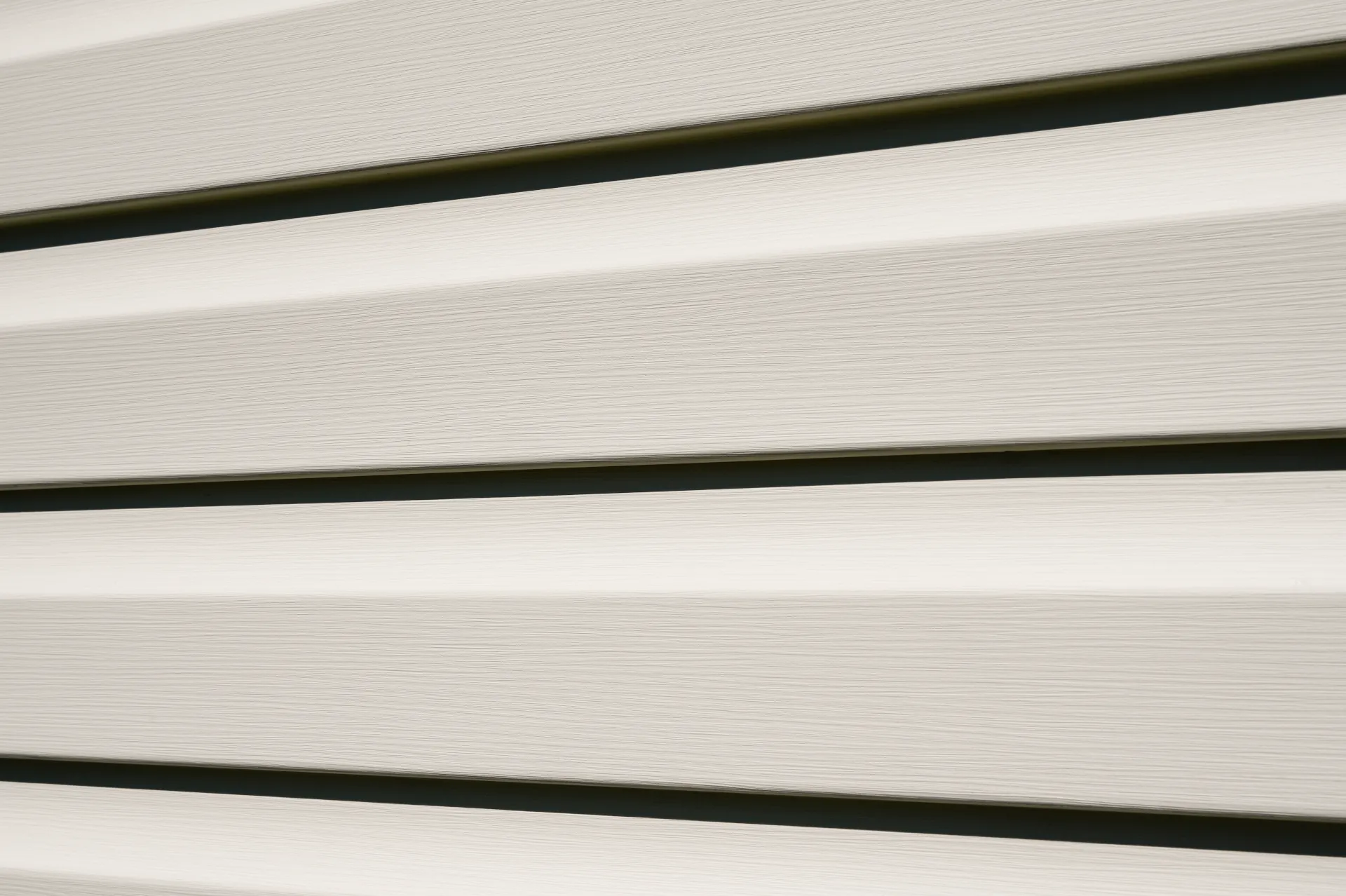
Vinyl siding is designed to provide years of color and protection without the regular painting or staining required by some other exterior materials. But homeowners may eventually notice that their siding doesn’t look quite as vibrant as it once did. That raises an important question: does vinyl siding fade, and if it does, is fading simply cosmetic or a sign that replacement is needed?
Some degree of color change is possible as vinyl siding ages, particularly after years of exposure to sunlight and changing weather conditions. However, modern siding is manufactured to resist fading much better than older products. Understanding why fading happens, what you can do about it, and when it points to a bigger problem can help you take better care of your home’s exterior.
Sunlight is one of the biggest contributors to fading. Ultraviolet (UV) rays continually hit the exterior of your home, and years of exposure can gradually affect the siding's original color.
The amount of fading can depend on several factors, including the quality and age of the siding, its color, the direction your home faces, and how much direct sunlight different areas receive.
Weather adds another variable. Your home's exterior experiences heat, freezing temperatures, rain, snow, wind, and changing humidity levels throughout the year. Vinyl is manufactured to accommodate changing weather conditions, but decades of exposure can still affect its appearance.
Older siding may be particularly susceptible because manufacturing technology has improved over time. Today's quality vinyl siding generally includes additives and pigments designed to provide greater UV resistance and more consistent long-term color.
Fading alone doesn't necessarily mean your siding has failed.
If the panels remain secure, flexible, and free of cracks or other significant damage, fading may primarily be an aesthetic concern. The siding can still protect your home even if its color isn't as vibrant as it once was.
The situation becomes more concerning when fading appears alongside other signs of deterioration.
Take a closer look if you also notice:
These issues may indicate that your siding is reaching the point where replacement makes more sense than trying to improve its appearance.
You can't eliminate years of sun exposure, but choosing quality siding at the beginning can make a significant difference.
Modern vinyl siding is available in products specifically engineered for better color retention. If you're replacing your siding, ask about the manufacturer's fade-resistance technology and warranty before selecting a product.
Color selection matters as well. Every color can change somewhat over a long enough period, but quality siding should age gradually rather than becoming dramatically discolored after only a few years.
Proper installation is equally important. An experienced siding contractor can ensure panels are installed correctly so they perform as intended throughout changing seasons.
Sometimes siding that appears faded is simply dirty.
Pollen, dust, mildew, algae, and other contaminants can create a dull film over the exterior. Before assuming the siding has permanently lost its color, give it a thorough cleaning.
A soft-bristled brush, mild cleaning solution, and garden hose are generally enough for routine vinyl siding maintenance. Cleaning from the bottom upward in manageable sections can help prevent streaking, followed by a thorough rinse.
Be careful when using a pressure washer. Excessive pressure or spraying at the wrong angle can force water behind siding panels. If you're unsure about the appropriate cleaning method for your particular siding, follow the manufacturer's recommendations or talk to an exterior professional.
If the original color looks noticeably brighter after cleaning, dirt rather than fading may have been the real problem.
Painting is one possible solution, but it isn't automatically the best one.
If the siding is relatively young and remains in excellent condition, properly applied vinyl-safe paint can refresh its appearance. Paint selection is critical because certain colors and products can absorb too much heat and potentially contribute to warping.
Painting also introduces future maintenance. One of vinyl siding's primary advantages is that its color is manufactured into the product. Once you paint it, you'll eventually need to maintain and repaint that finish.
Older siding deserves additional consideration. Painting siding that's already brittle, warped, or damaged may improve its appearance temporarily without addressing the underlying deterioration.
In that situation, putting the money toward replacement may offer greater long-term value.
Fading can provide a good opportunity to evaluate the condition of your entire exterior.
If you dislike the color but the siding is otherwise performing well, replacement may not be necessary. If fading is one of several signs that the material is aging, however, a new siding system could solve more than a cosmetic problem.
Replacement allows you to update your home's color and style while addressing damaged panels and other underlying concerns. New siding may also offer improved weather resistance and other performance benefits compared with products installed decades ago.
A professional inspection can be especially useful if you're having trouble determining whether your siding simply looks old or is actually nearing the end of its useful life.
Vinyl siding maintenance doesn't require a complicated routine. Cleaning the exterior periodically and inspecting it after severe storms can go a long way toward identifying problems early.
Pay particular attention to areas around windows, doors, corners, rooflines, and places where landscaping comes close to the house. Addressing isolated damage before it spreads can help you get more life out of an otherwise sound siding system.
Vinyl siding can fade over time, but fading by itself isn't necessarily a reason to replace your home's exterior. Start by cleaning the siding and inspecting it for physical damage. If the material remains in good condition, you may have years of useful service left.
Older siding that combines significant fading with cracking, warping, brittleness, or repeated repairs deserves a closer look. An experienced siding contractor can evaluate the existing material and help determine if maintenance, repair, or replacement is the most practical next step.
If you’re considering new siding for your home in Ohio, Kidron Custom Exteriors can help you explore your options and determine the right solution for your home.
The goal isn't simply to make your siding look newer. It's to make sure your home's exterior continues doing its most important job: protecting what's underneath it.