


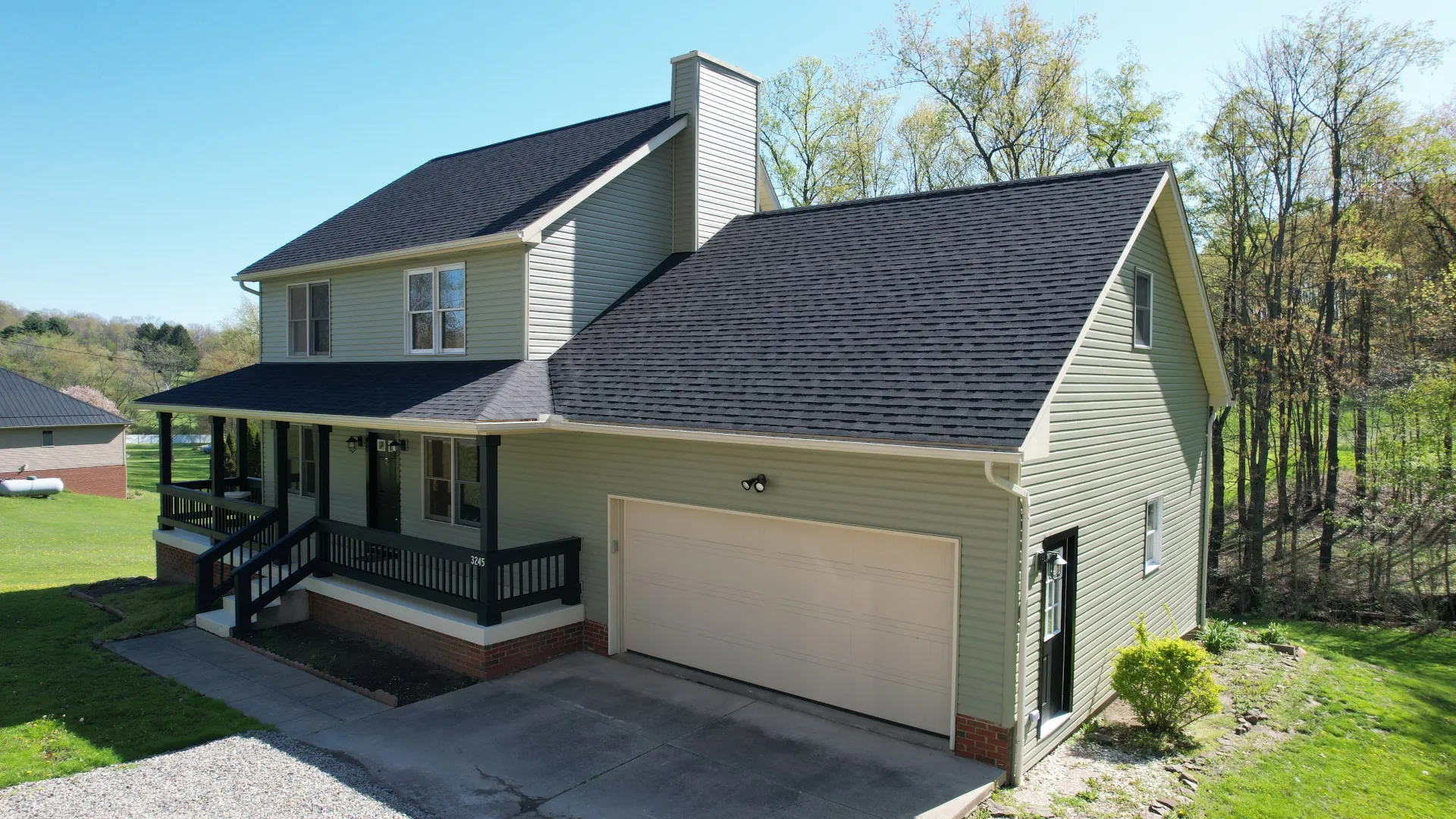
Ohio homeowners ask a lot from their roofs. A single year can bring freezing temperatures, snow and ice, spring storms, high winds, heavy rain, and hot summer days. If you're preparing for a roof replacement, choosing a material that can handle those changing conditions is an important part of the decision.
Two of the most common choices are asphalt shingles and metal roofing. Both can provide dependable protection when properly installed, but they differ significantly in initial cost, expected lifespan, maintenance, appearance, and long-term value.
When comparing a metal vs. shingle roof for an Ohio home, there isn't one material that's right for every homeowner. Here's what you should consider.
Asphalt shingles remain a popular residential roofing material because they combine dependable performance with a relatively affordable upfront price.
Modern asphalt shingles are available in numerous colors and styles, making it easy to coordinate a new roof with your siding, gutters, trim, and other exterior features. Architectural shingles can also provide additional dimension compared with traditional three-tab products.
Cost is one of their biggest advantages. A shingle roof will generally require a smaller initial investment than a standing seam metal roof, which can make shingles particularly attractive when you're working within a specific home improvement budget.
Quality and product selection matter, however. Different asphalt shingles carry different ratings, warranties, and expected lifespans, so it's important to compare the actual products being quoted rather than treating every shingle roof as identical.
Metal roofing requires a larger initial investment, but longevity is one of the primary reasons homeowners consider it.
Standing seam metal roofs use panels connected by raised seams, typically with the fasteners concealed underneath. This construction provides a clean appearance while reducing the number of exposed fastening points on the roof.
Metal roofing also suits homeowners looking for a distinctive exterior. Today's options extend far beyond the red and silver roofs people sometimes associate with older metal buildings. Depending on supplier availability, homeowners may have access to blacks, grays, greens, earth tones, and other finishes.
For someone planning to stay in the same home for decades, the longer service life of metal may make its higher upfront cost easier to justify.
Winter performance is an obvious consideration when choosing roofing in Ohio.
Both materials can handle snow when the entire roofing system is properly designed and installed. The differences are largely in how they respond to winter conditions over time.
Metal has a smooth surface that can shed snow more readily. That can be beneficial, although homeowners should also discuss snow retention systems when appropriate. Large amounts of snow sliding from a metal roof at once can create hazards around entrances, walkways, landscaping, and other areas below the roofline.
Asphalt shingles hold snow differently and provide a more textured surface. They can still perform well throughout Ohio winters, but aging or damaged shingles may become more vulnerable to problems caused by wind, moisture, and repeated freezing and thawing.
The roof covering is only part of winter performance. Proper ventilation, insulation, flashing, and drainage are also critical regardless of which material you choose.
Spring and summer bring a different challenge.
Strong winds and severe storms can damage virtually any roofing material. Shingles can loosen, lift, or go missing during severe weather. Metal roofing eliminates individual shingles, but panels and other roof components can still sustain storm or impact damage.
Product specifications matter here. Ask your contractor about the wind and impact ratings of the specific roofing products you're considering instead of assuming that one entire category is automatically storm-proof.
Regular roof inspections are also valuable after significant weather events. Finding a small issue early can prevent moisture from turning it into a much larger repair.
Expected lifespan creates one of the clearest differences in the metal vs shingle roof discussion.
Asphalt shingles commonly provide decades of service, but their actual lifespan depends on the product, installation, ventilation, weather exposure, and maintenance. Over time, homeowners may notice granule loss, cracking, curling, or missing shingles.
Quality metal roofing can have a substantially longer service life. It also avoids some of the deterioration associated specifically with asphalt products.
That doesn't mean metal roofing is maintenance-free. You should still inspect flashing, seams, coatings, penetrations, and other components periodically. The advantage is that a properly installed metal system can provide long-term performance without the same aging characteristics as shingles.
If you're comparing initial price alone, asphalt shingles typically have the advantage.
Metal roofing generally costs more because of the material, fabrication, and specialized installation involved. The difference can be significant enough that homeowners should get estimates for their actual property rather than relying on generic online price ranges.
Long-term cost requires a different calculation. A homeowner who expects to remain in a house for many years may place greater value on metal roofing's longevity. Someone expecting to move sooner may prefer the lower initial investment of asphalt shingles.
Neither approach is automatically the better financial decision. Your timeline, budget, home, and selected roofing products all matter.
Start by thinking about what you want from your next roof.
Asphalt shingles can make sense when you prioritize a lower upfront investment, traditional appearance, and broad selection of styles.
Metal roofing may make sense when longevity, lower long-term maintenance, and a distinctive appearance are higher priorities.
Architecture matters, too. Both materials can complement Ohio homes, and your roof should work visually with your siding, trim, gutters, and overall exterior.
The metal vs shingle roof debate shouldn't come down to material alone. A premium roofing product installed incorrectly can cause more problems than a less expensive product installed as part of a properly designed roofing system.
Ohio homeowners should consider material quality, installation, flashing, ventilation, drainage, warranty coverage, and contractor experience together.
Both asphalt shingles and metal roofing can provide strong protection for Ohio homes. Understanding the differences allows you to choose the system that fits your budget, expectations, and plans for the property, while preparing your home for many more seasons of Ohio weather.