


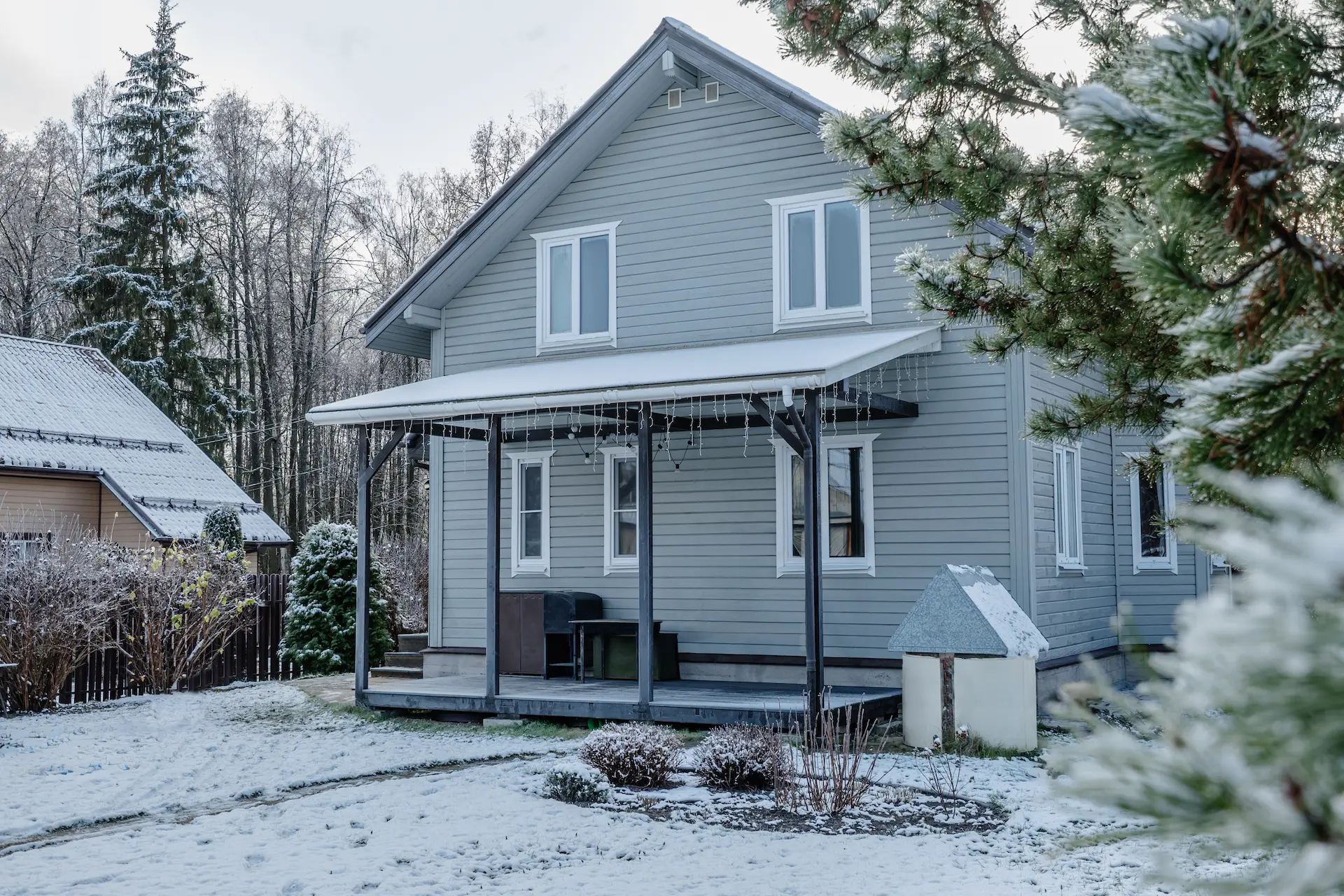
Vinyl siding is one of the most durable and low-maintenance options available for protecting your home. But even the toughest materials face challenges during Ohio’s cold, snowy winters. Knowing how to care for your siding when temperatures drop helps preserve its appearance, prevent damage, and extend its lifespan.
Learning how to clean siding safely is important in general, but this guide will discuss specifically what to look for during the winter, and how to protect it from freezing temperatures. Here are the essential do’s and don’ts of winter vinyl siding maintenance.
Snow, ice, and wind can all take a toll on your home’s exterior. After each major storm, take a few minutes to walk around your property and inspect your siding. Look for cracks, chips, or panels that have come loose. These small issues can allow moisture to seep behind the siding, which may freeze, expand, and cause further damage.
If you notice problem areas, it’s best to call professional vinyl siding contractors in Ohio, like Kidron Custom Exteriors. They can repair or replace damaged sections before they lead to more costly repairs in the spring.
When it comes to cleaning, many homeowners assume power washing is the fastest way to remove dirt and grime. However, in cold weather, high-pressure washing can cause more harm than good. Water can penetrate seams and freeze behind the panels, leading to warping or cracking.
Instead, stick to a gentle cleaning routine using a hose, soft brush, and mild soap. If it’s too cold to clean safely, wait for a slightly warmer day to avoid damaging your siding or creating icy patches around your home.
One of the easiest ways to protect your siding in winter is by maintaining your gutters. Ice dams and clogged gutters can cause water to overflow, leading to streaking, staining, and potential water infiltration behind siding panels.
Check that gutters and downspouts are clear of debris and properly directing water away from your home’s foundation. This step not only protects your siding but also helps prevent leaks and structural damage.
Ice accumulation around siding edges or near your roofline can indicate poor drainage or insufficient insulation. If you notice icicles or frozen patches forming on or near your siding, investigate the source. It might mean your attic isn’t ventilating properly or that water is escaping from gutters.
Ignoring these signs can shorten how long your vinyl siding lasts by allowing moisture damage to develop beneath the surface.
Winter storms can weigh down tree branches, making them more likely to scrape against your siding. Over time, this can cause visible scratches or even cracks. Trim trees and shrubs so they don’t touch your home’s exterior. Not only does this prevent physical damage, but it also improves airflow and sunlight exposure, helping your siding dry faster after snow or rain.
If you’re learning how to clean siding effectively, remember that gentler is better. Avoid using bleach or solvent-based cleaners during winter, as they can discolor vinyl and become even more potent when exposed to cold air.
Stick to a mix of warm water, mild detergent, or vinegar-based solutions. Clean in small sections and rinse thoroughly to avoid streaks or residue buildup.
Vinyl siding is durable, but it can warp when exposed to extreme heat sources, even in winter. Keep outdoor heaters, grills, and fire pits positioned far from your home’s exterior. Melted snow and direct heat can cause expansion, leading to rippling or buckling along panels.
Cold temperatures make vinyl less flexible, increasing the risk of cracking during installation or repair. If significant damage occurs during the winter months, contact us for a professional evaluation. Experienced vinyl siding contractors in Ohio can assess whether it’s safe to complete repairs now or if it’s better to wait for slightly warmer weather.
Winter is a great time to start planning ahead. If your siding is more than 20 years old, showing signs of fading, or requiring frequent touch-ups, spring may be the right time to replace it. Modern vinyl siding offers better insulation, stronger impact resistance, and a wider range of colors and textures than older styles.
Scheduling consultations early ensures you’re at the top of the list once installation season begins. Searching for siding installation near you before spring can also help you compare pricing and lock in preferred materials.
The best way to extend your siding’s life is to maintain it year-round. Wondering how long vinyl siding lasts? With proper care and professional installation, most high-quality vinyl siding can last 30 to 40 years or even longer. Regular cleaning, inspections, and timely repairs go a long way toward reaching that full lifespan.
Vinyl siding is built to stand up to harsh conditions, but winter care is essential for keeping it in top shape. By following these simple do’s and don’ts, you’ll help your siding resist damage, retain its color, and perform efficiently through the coldest months.
If you’re unsure about your siding’s condition or need help with repairs, reach out to Kidron Custom Exteriors, trusted vinyl siding contractors in Ohio. We can assess your home, recommend maintenance solutions, and ensure your siding continues protecting your home for years to come.